
It’s a CRIME
This Wasn’t Offered When I Attended SHS!
Believe it or not, I really do find myself envious of today’s high school students for all the learning opportunities offered within this school’s curriculum. Nothing against the great courses I took in the late 1980s but, let’s be honest, nothing can compare to the ways that our teachers today engage their students. They don’t teach “subjects,” SHS teachers inspire a whole new generation of kids to love learning.
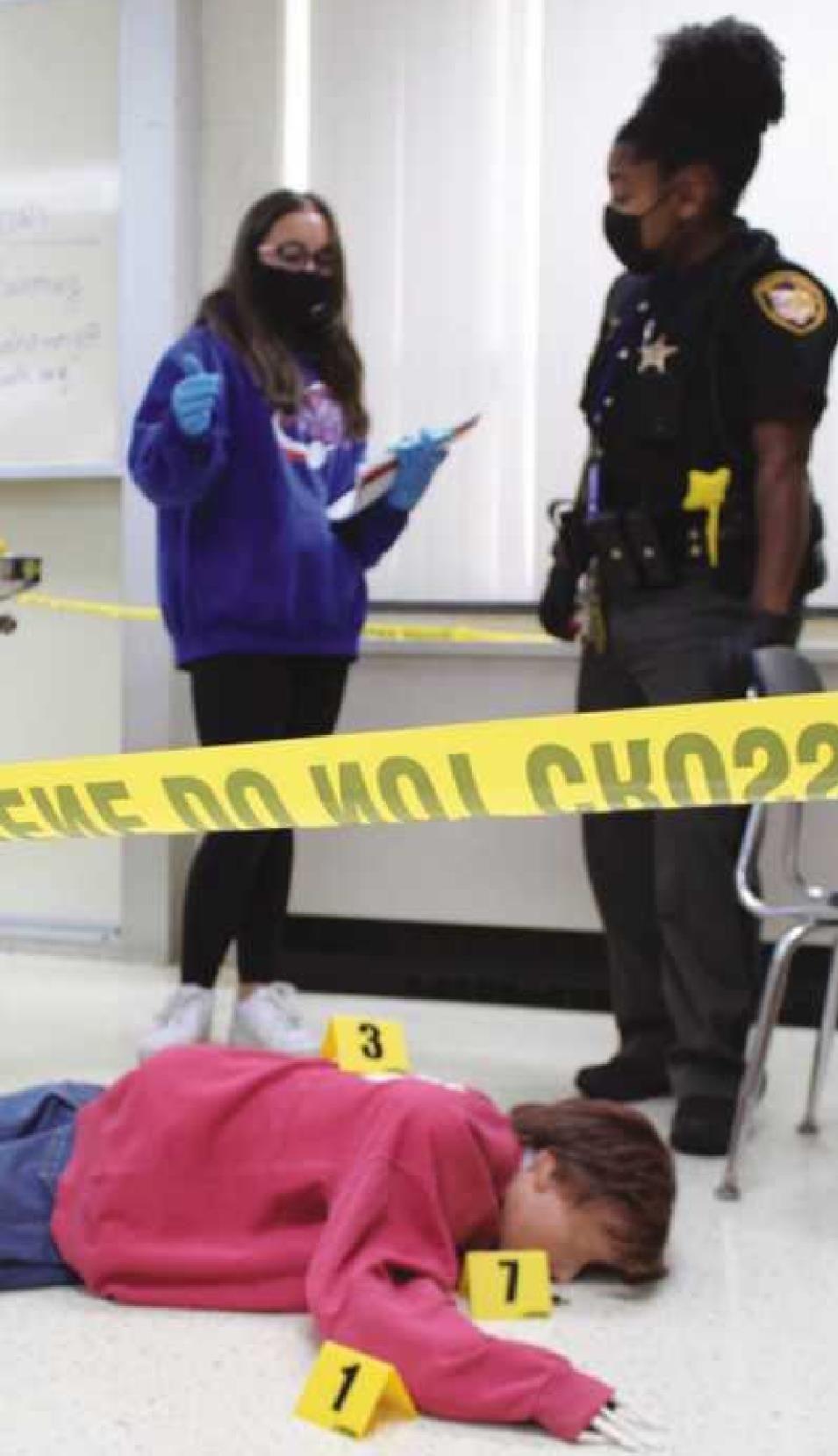
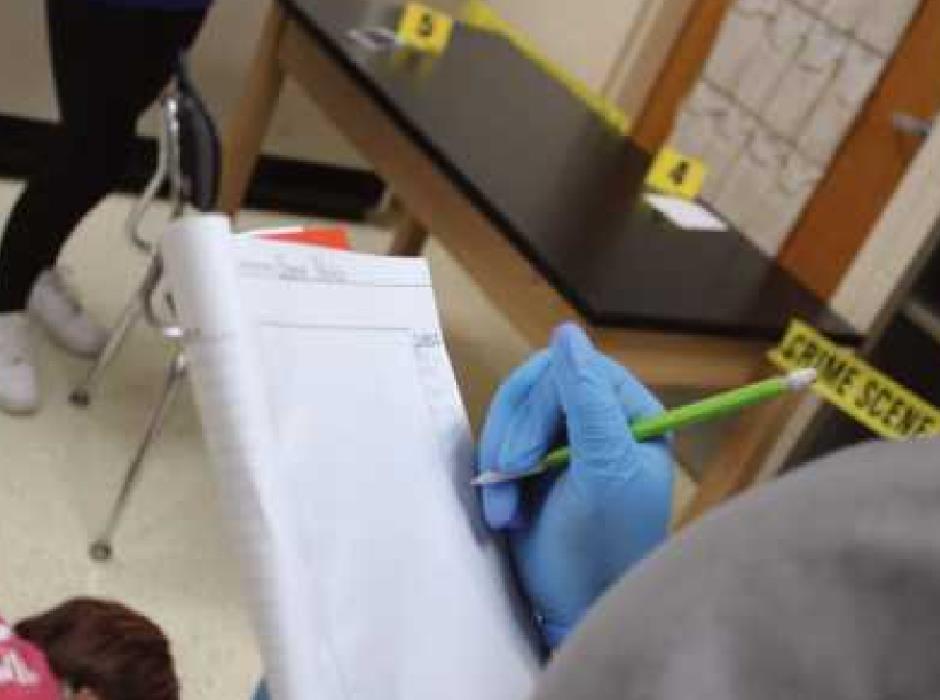
For those who doubt that I’m just being an enthusiastic principal, let me give just one specific example to make my case. If you’re not aware, last week we began the 2021-22 school year and science teacher Stephanie Mahoney’s students walked in on their first day to find a crime scene. Seriously, her course is the principles of biomedical sciences, and she staged an actual crime scene, thanks to her participation in Project Lead The Way. The students couldn’t contain their excitement. We listened as they collectively shared that they, “… watch a lot of crime shows on TV and wanted to learn how much is real or just staged for TV.”
Mrs. Mahoney told me that, “unit one focuses on solving the death of Anna Garcia, a 19-year-old college student. To solve the crime, my students were told to begin collecting evidence, making a list of questions they wanted answered based on the evidence and what types of information the evidence can provide.” As the course continues, she shared that the students will learn techniques to analyze DNA, fingerprints, blood splatter and electronic information (phone) taken from the crime scene. They will come up with a number of questions and tests that they want to perform to determine the cause of death based on what evidence they found at the crime scene
What I especially like about the course is the overview it provides students on careers in biomedical sciences. From what a biomedical scientist does (what qualities that individual must have to do their job) to how those individuals might interact with other professionals they will encounter in their workday. Mrs. Mahoney invited SHS school resource officer Aalea Robertson to talk to the students about what is done when law enforcement officers arrive at a crime scene, how evidence is collected, the schooling she has done (police academy, bachelor’s degree, working on her master’s degree). The students asked great questions, too. “Trust me, very few crimes are solved in the 30 to 45 minutes that you watch on TV,” Officer Robertson told the students. Talk about giving glimpses of real life.
Future learning opportunities will focus on clinical care (students will get to spend their day in a health clinic learning about vital signs and assessing patient health, learn about telehealth, and patient privacy); outbreaks and emergencies (determine what causes a disease outbreak in a hospital and emergency response to a hiker who was injured), and finally innovations in biomedical sciences (designing drug delivery systems, using things found in the natural environment for biomedical purposes and designing a biomedical innovation of their choosing).
Okay, who’s with me on this—it really is a crime that this course didn’t exist when I was in high school.