

Having a lush, colorful garden is a goal for every gardener. However, another key role of the gardener should be to act as a steward to the natural world.
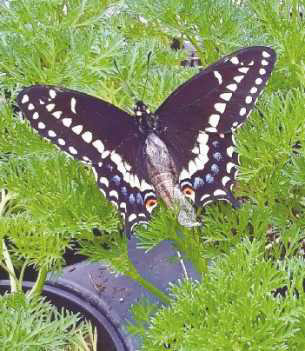
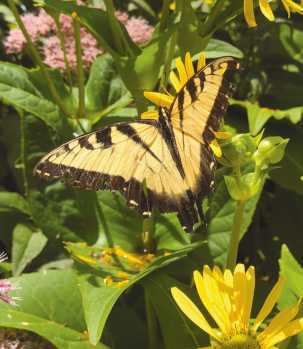
A thoughtfully stewarded garden can be full of both life and beauty and one of the rewarding aspects is the presence of fluttering butterflies all season.
A gardener who is attuned to plant selection and garden care can nurture a space for these magnificent, winged visitors, and, in turn, create a paradise for countless pollinators, birds and other wildlife.
When planning your garden, make sure to incorporate a diversity of flowering species as nectar sources for butterflies and moths. Native plants are a great choice, as many butterflies and moths are specially adapted to them. These plants include aster, Joe Pye weed (Eutrochium), milkweed species (Asclepias), mountain mint (Pycnanthemum), blazing star (Liatris), black-eyed Susan (Rudbeckia), and purple coneflower (Echinacea).
Butterflies are especially drawn to plants with flattopped flowers that act as platforms for feeding. To provide a continuous source of nectar, select plants so that multiple species are blooming at any one time from spring through fall. Another important component to include is larval host plants, species on which certain butterfly species feed as larvae. These include spicebush (Lindera), milkweed species (Asclepias), and many members of the carrot family, such as parsley, dill and fennel.
The way you maintain your garden can also affect your butterfly population.
Instead of raking out your beds each fall, allow the leaves and small plant debris to accumulate, as many species leave cocoons and chrysalis in leaf litter. By leaving this natural layer in place, you help create a hospitable environment that covers and enriches the soil.
In addition, avoid cutting back your dead perennials until we have had multiple days with nighttime lows in the 50s, as many species pupate in or on dead plant stems through the winter.
Here at the 577 Foundation, the flower beds are designed with a diversity of nectar and larval host plants blooming throughout the growing season, both for beauty and ecological benefits. We also purposely allow certain perennial beds and naturalized areas to remain standing until the warmer weather arrives.
Though your garden may not be as tidy, it will be a friendly place for your fluttering friends and your body will get some needed rest.
With a few thoughtful choices, your garden can become a sanctuary for butterflies and a joy for you.