
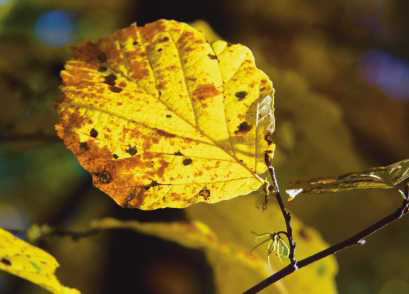
Odds are park goers pass a small common tree in mixed hardwood forests without giving it a second look.
Call it a tall shrub or a small tree, either way, witch-hazel loves growing in moist soils, satisfied with the limited amount of sunlight it typically enjoys in the shady forest.
The tree’s best chance to be noticed is right now. It helps that the broad four-to five-inch-long leaves are bright yellow and still holding on in many woodlands. That yellow is among the last gasps of fall color in forests that have watched most of their leaves flutter to the ground.
The kicker is that it’s sporting what is probably the last flowers to bloom this year. The yellow, stringy scrawnylooking petals holding tight to leafless branches may not look like flowers, but they are–and they are actually aromatic to boot.
They may not be much, but they are bright yellow so they really stand out this time of year in woodlands mostly barren and battened down for winter, explained Art Weber, nature photographer. Add an aroma that is inviting to the moths the plant counts on for pollination, and it’s enough to produce a few seeds for the next generation. As a strategy to encourage spreading the species, next spring when the seed capsule dries, it will catapult the seeds as far as 30 feet.
“For all their obscurity, it’s also likely you’ve heard of witch-hazel. It’s the tree that gives us the forked branch used for water witching, an uncertain practice which supposedly locates underground water sources for wells,” he said.
Water witching may be unproven, but it is certain that aromatic extract can be obtained from parts of the witchhazel that is used in astringent lotions and toilet water.
Witch-hazel is worth noticing along park trails. The photo above is a close up of witch-hazel leaves and flowers along trails at Secor Metropark and was taken by Mr. Weber.