
A 48-acre tract of land at the northern most point of Oak Openings Preserve is being restored to wetlands with funding from Ohio Governor Mike DeWine’s H2Ohio initiative.
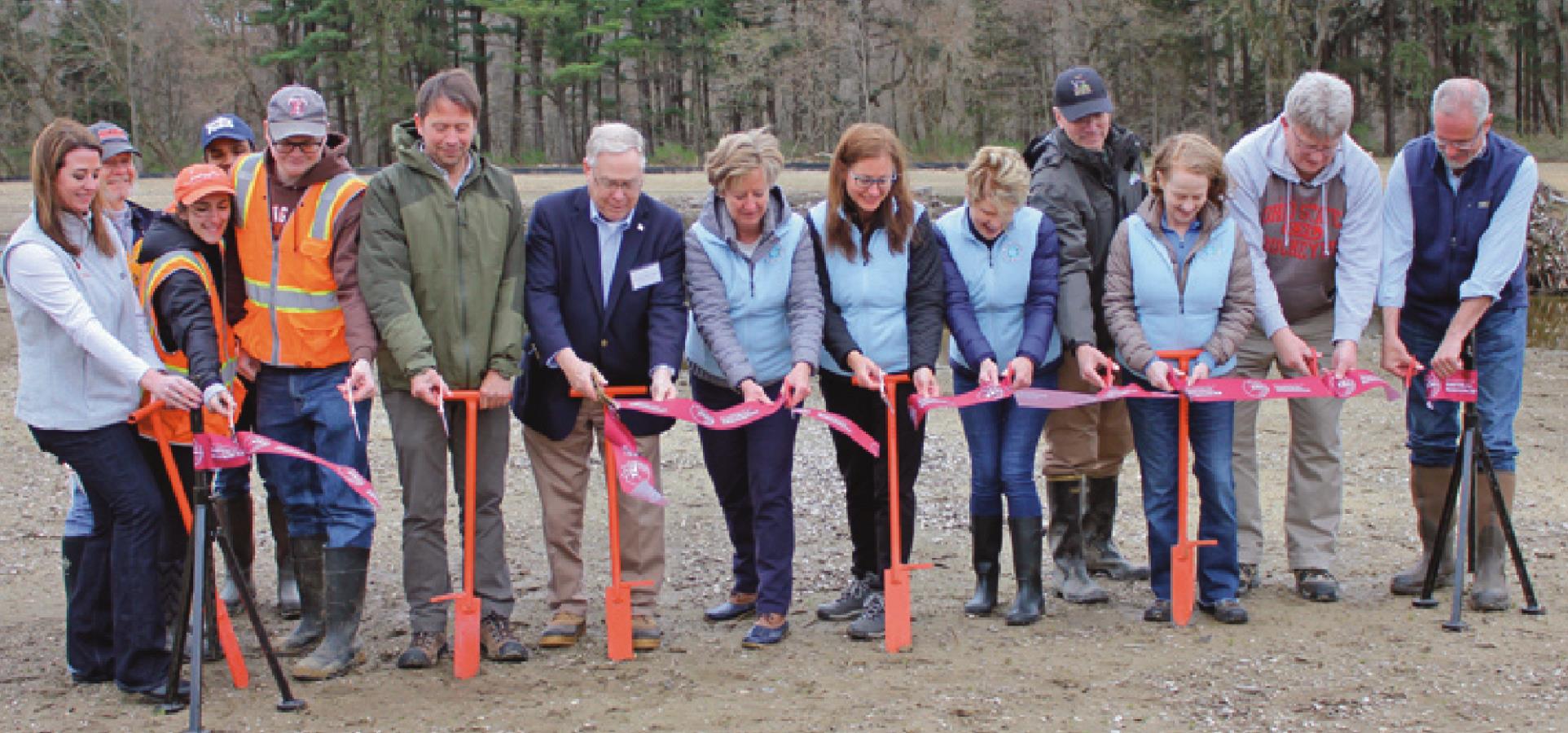
On April 22, the Ohio Department of Natural Resources with Metroparks Toledo and other state agencies hosted a ribbon-cutting ceremony for the Oak Openings wetland restoration in a field behind Old El Camino restaurant on Airport Highway in Swanton.
Joy Mulinex, director of the Lake Erie Commission, noted the governor started the initiative in 2019 because he recognized the importance of fresh water, much of which is in the Great Lakes.
“This region relies on Lake Erie for drinking water,” she said, adding, “Ohio is a water rich state.”
The algal bloom issue in 2014 left more than 300,000 people without safe drinking water, prompting the general assembly to take action that would minimize algal blooms and help restore the lake, a popular tourist and fishing attraction.
Since that time, owners of more than 1 million acres of farmland have exercised best management practices to retain nutrients on the land and not flow into waterways and eventually Lake Erie. Work on wetlands with natural filters also is taking place.
“This work depends on our many partners,” Ms. Mulinex said, including park districts, academic institutions and communities.
“The governor pushes us to follow the science, and we are eager to hear how it can improve over time.”
Laurie Stevenson, Ohio EPA director, agreed, pointing out they chose Earth Day to hold the ceremony. The Ohio EPA is just one of the partners in the H2Ohio initiative. “What makes this initiative different from things done in the past is the level of cooperation among agencies. It sets us apart.”
“We’re excited about what we are doing–it’s big, broad and ambitious.”
She noted the EPA has spent more than $15 million on drinking and waste water infrastructure statewide, “dollars that are super meaningful to the communities.”
Dorothy Pelanda, Ohio Department of Agriculture director, said the agencies work well together to create successful initiative programs for wetlands and farms. “We ask producers for a three year commitment to conserve, preserve and protect.”
Mary Mertz, Ohio Department of Natural Resources director, said the organization works hard to protect the environment. She recalled the first Earth Day when the state only had a handful of eagles. “Today, there are more than 800.”
Other birds and wildlife are experiencing a rejuvenation, and a cleaner Lake Erie will allow the region to reclaim its title as the Walleye Capital of the World. “Our focus is on natural solutions to reduce nutrient pollution. We are so excited about what wetlands can produce,” she said.
Ms. Mertz welcomes the Metroparks site to the 83 wetlands brought to life on 12,000 acres, noting the restorations would not be possible without 40 partnering agencies.
She pointed out this is not the park district’s first wetlands restoration project. “We worked with them on Howard Marsh.”
The Jerusalem Township park is one which the ODNR “is very proud to have been a part of. We see this as a continuation of that partnership,” she added.
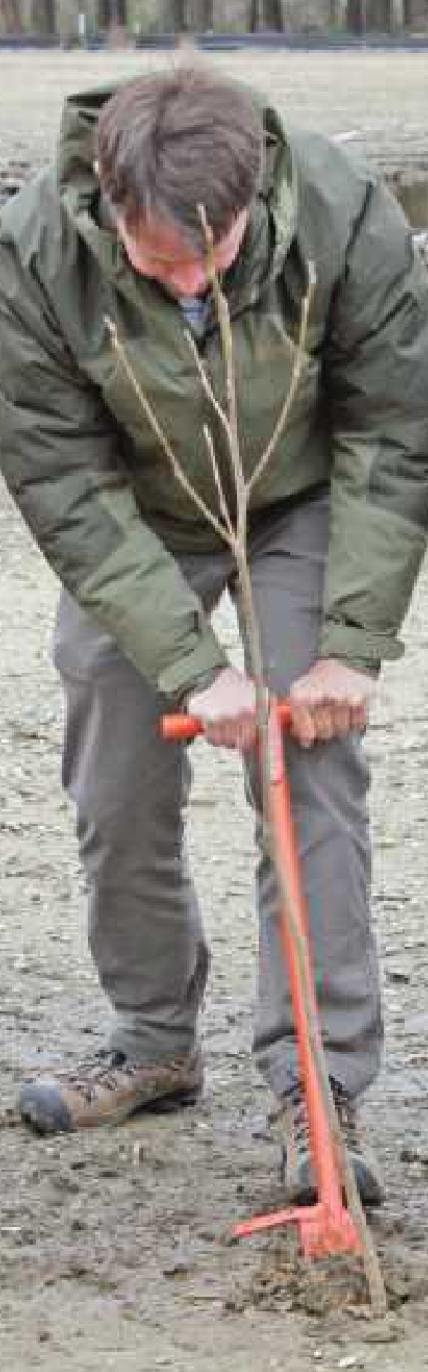
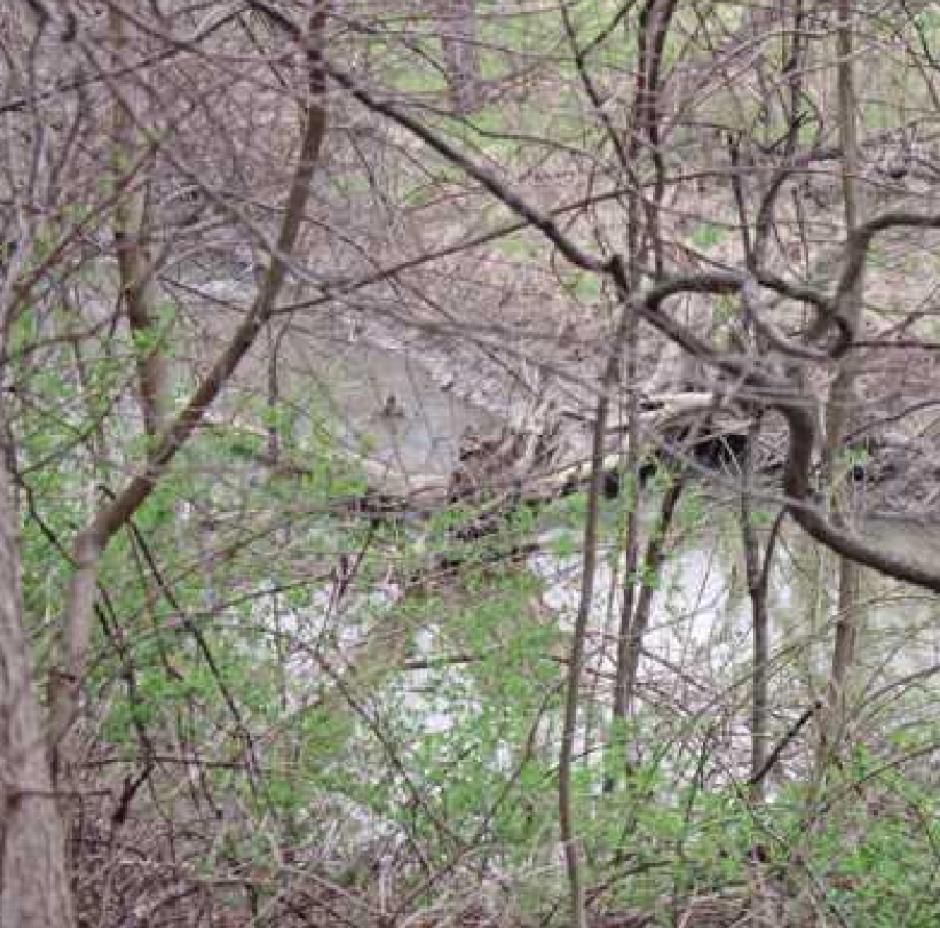
To restore the wetlands, native plants and trees are being grown on the site that will benefit animals and provide natural filtration into the A-I Creek, which flows to Swan Creek and eventually to Lake Erie.
As wetlands develop, regular testing will determine what methods work best and the progress being made, explained Ms. Mertz. “The results–all of it–will be very transparent.”
She noted the site has changed significantly since being a cornfield in 2020, and looks forward to what it will transition to in the years to follow.
“We are excited about the future and what this holds,” she said, adding, “We are very focused on northwest Ohio and the vast majority of dollars are being directed here.”
Tim Schetter, Metroparks director of natural resources, appreciates the support by the initiative and its partners. “I want to sincerely thank them for H2Ohio. We have restored over 1,000 acres in Lucas County alone with their help.”
The Oak Openings project is the “latest and largest inland natural area in Ohio,” he added.
Mr. Schetter said rare habitats and unique species will thrive on the wetlands and believes the project is important to sustain the quality of life, address water issues and capture run off in the region.
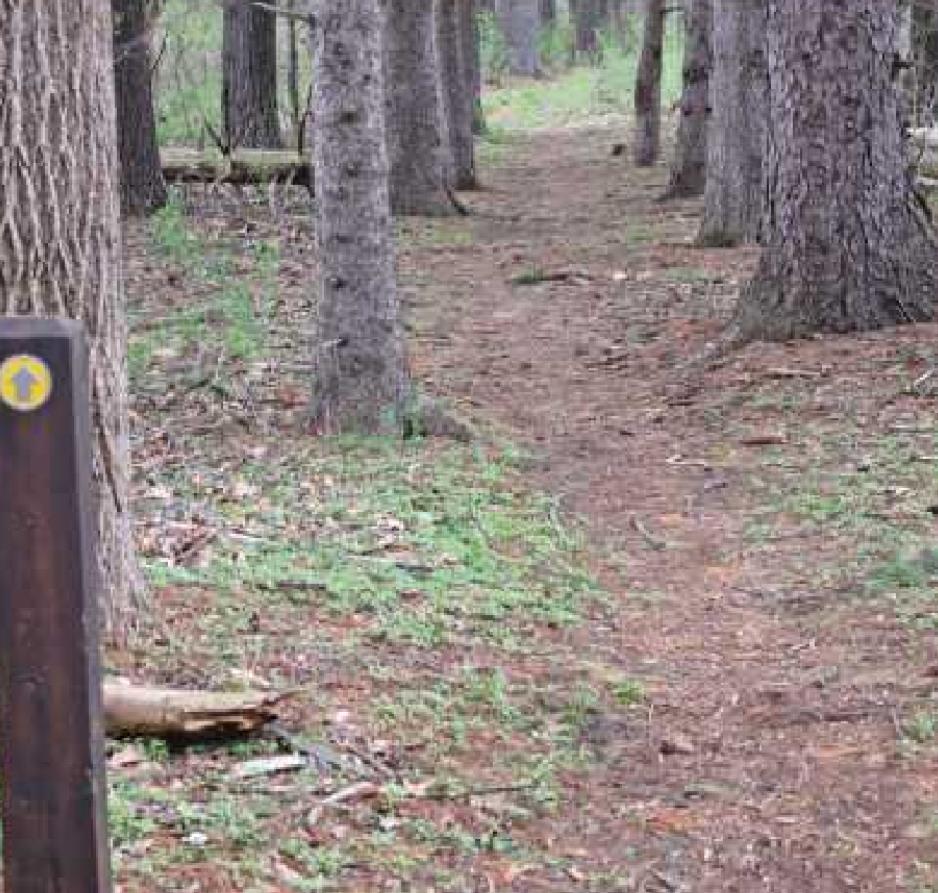
He noted that once the plants are established, hiking trails and signage will be put in place so people can visit and understand the importance of the project. He encourages park goers to stroll the nearby Scout path where they can view from a distance the wetlands.
“You will see different things at different times of year, and 50 years from now, it will be a mature swamp forest.”
Mark Dilley, a wetland scientist and co-owner of MAD Scientist and Associates, is pleased to see the amount of attention directed toward wetland restoration. “It’s been a joy to see this come together. I’m excited for the future and a lot of changes in the coming years as things develop.”
~Jane Maiolo