
“Everything you see exists together in a delicate balance. You need to understand that balance and respect all the creatures, from the crawling ant to the leaping antelope.”
–The Lion King The impact humanity has on the planet sometimes necessitates finding alternate solutions and Metroparks Toledo is no exception.
Centuries ago, the Oak Openings Preserve region thrived, in part, because of the balance created by nature.
At one time, large herbivores such as bison and elk roamed the area, helping to maintain prairies and savannas, explained Tim Schetter, Metroparks director of natural resources.
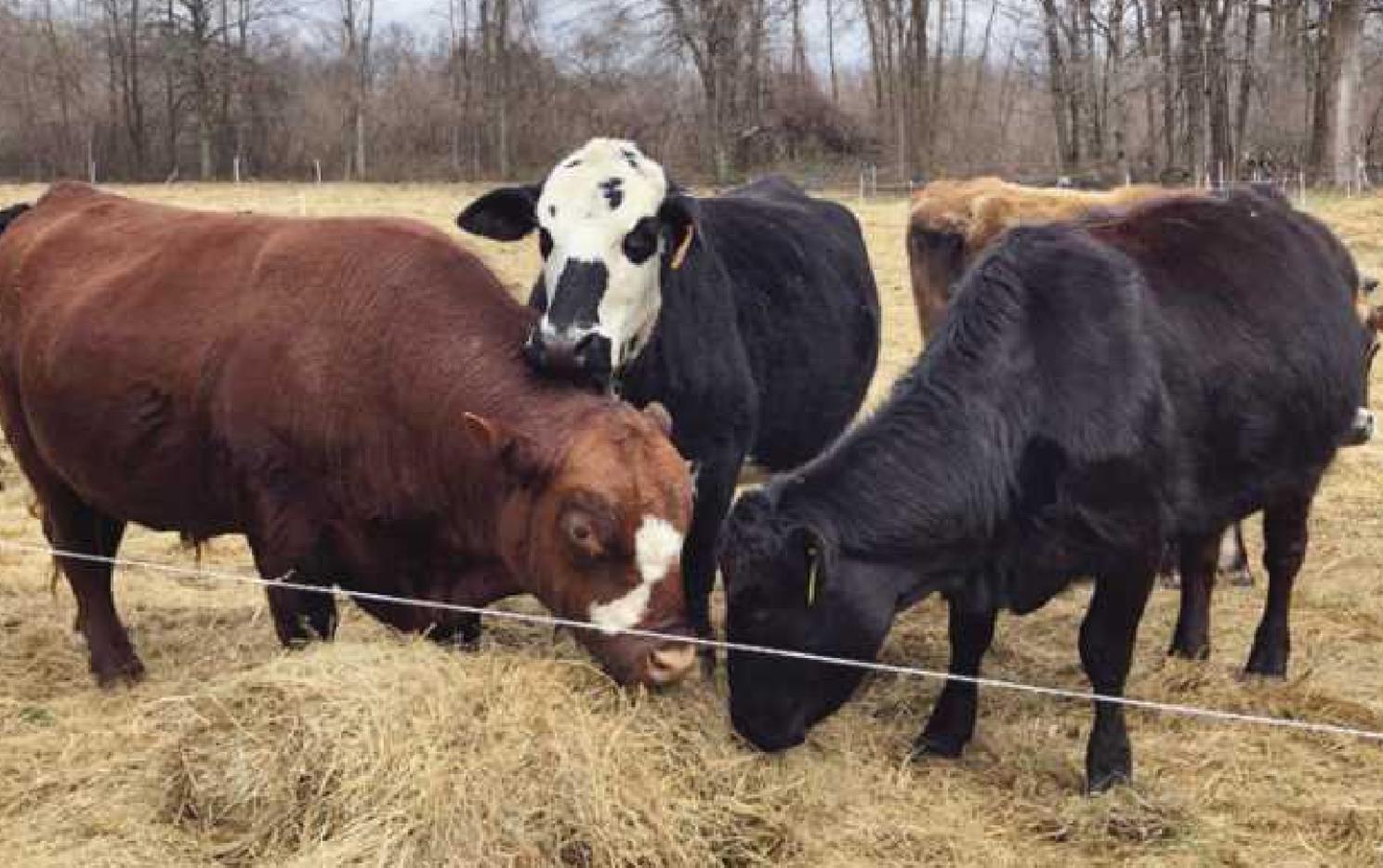
With those animals no longer a local option, the park district is experimenting with a similar concept, this time involving cattle that will simulate those grazers.
At the April 25 meeting, the park board approved an agreement with Black Swamp Company to lease several head of cattle for $150.
They will be contained on 10.8 acres at Oak Openings for grazing and used as a habitat management tool.
The project will be monitored for its ecological benefits, Mr. Schetter said, adding, “it has been simulated in other areas and has been very effective.”
The cattle will hopefully prove valuable as yet another tool in the park district’s land management restoration toolkit.
“Natural resource managers refer to the technique as patch burn grazing,” Mr. Schetter said.
Grazing helps create the disturbance needed to control warm season grasses, such as big bluestem, little bluestem and Indian grass. After decades of restoration, these grasses are becoming dense, which reduces both the biodiversity and structural diversity of the prairie.
“Structural diversity is especially critical for ground nesting birds,” he added.
Grazing animals tend to focus their feeding on parts of the plant that grow low to the ground, primarily grasses, resulting in patches where native plants then grow. This is in contrast to browsers, such as white-tailed deer, who only eat the tops of plants and do not create these patches, the natural resources director said.
The cattle will be confined to 10 acres that will be secured using a low-voltage electric fence. Movable pad docks will control where and how often the cattle graze an area.
They will be situated on the site of this season’s first prescribed fire, a high-profile area along Oak Openings Parkway near Girdham Road.
Metroparks plans to use the opportunity to speak with the public about land management techniques and how the work benefits wildlife.