
People love spring wildflowers so much they tend to forget that the blooms of fall are just as special but in a different way.
Spring wildflowers are mostly woodland species, blooming fast and furious to store energy before the forest canopy fills in with leaves and shades the forest floor.
The flowers of late summer and fall take advantage of sun-drenched savannas, woodland edges, open meadows and tallgrass prairies–places that are ideal for them until the shorter days and frosty temperatures close them down.
Members of the sunflower family decorate the landscape this time of year with their yellow-rayed flowers; many of them are large blooms on tall stems.
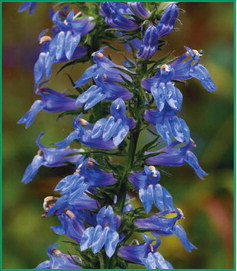
There’s a very different, equally beautiful wildflower blooming now in moist soils and along streams and ditches. This smaller wildflower makes up for its smaller stature with stalks festooned with beautiful blue blooms.
Great lobelia is a member of the bluebell family, described as a robust perennial that can grow as tall as four feet. The bell-shaped blooms are more than just a pretty flower, they’re inviting to pollinators. Like its close cousin, the bright red cardinal-flower, it’s attractive to hummingbirds, which are often seen feeding on this species.
Cardinal-flower and great lobelia are natives that are both attractive and suited for growing together.
“Fall colors are much more than just leaves. The wildflowers are very worthy of attention,” said Art Weber, Metroparks Toledo nature photographer.